Tour Overview
Nizamuddin is not a place you simply visit. It is a place you feel.
For centuries, this neighbourhood has carried the language of ishq (love) and ibadat (devotion) — expressed through poetry, music, prayer, and quiet surrender. Here, faith is not distant or ceremonial; it is lived, sung, and shared.
Ishq & Ibadat is a slow, intimate guided walk through poets’ resting places, understated tombs, and the living heart of Delhi’s Sufi tradition. The experience moves gently through verses, silences, and sounds — tracing how love becomes devotion, and devotion becomes a way of life.
This is not a monument walk.
It is a walk through longing, faith, and belonging.
Places Covered
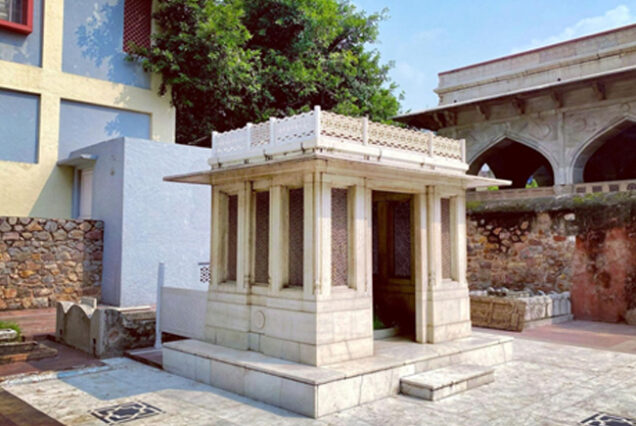
1. Mirza Ghalib ki Mazaar
The resting place of one of the most profound voices of love, loss, and spiritual doubt in Urdu poetry.
Guided focus: poetry as longing, exile, intimacy with the divine.
2. Chausath Khamba & Barakhamba
Quiet tombs hidden within residential lanes, far from spectacle.
Guided focus: silence, humility, and how remembrance survives without grandeur.
3. Ameer Khusro Dargah
The resting place of the poet, musician, and beloved disciple of Nizamuddin Auliya.
Guided focus: Sufi poetry, the birth of qawwali, love as spiritual practice.
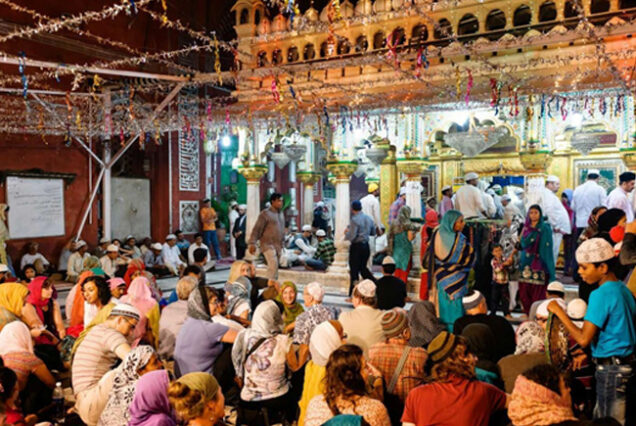
4. Dargah Hazrat Nizamuddin Auliya
One of South Asia’s most important living Sufi shrines, vibrant with prayer and music.
Guided focus: Chishti philosophy, inclusivity, sama (devotional music), lived faith.
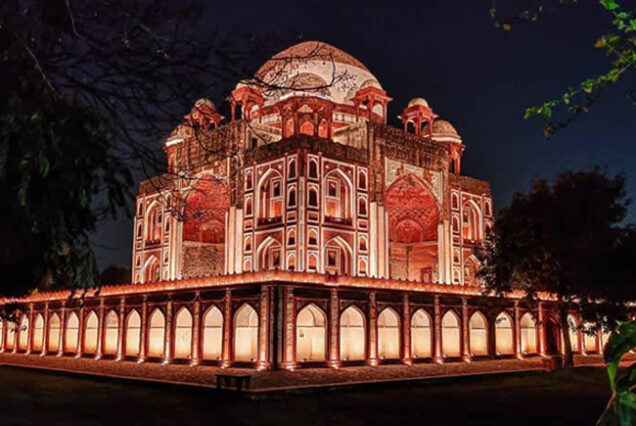
5. Tomb of Abdur Rahim Khan-i-Khanan
The tomb of Rahim — poet of humility, generosity, and moral wisdom.
Guided focus: bhakti–sufi overlap, poetry as teaching, reflection at day’s end.